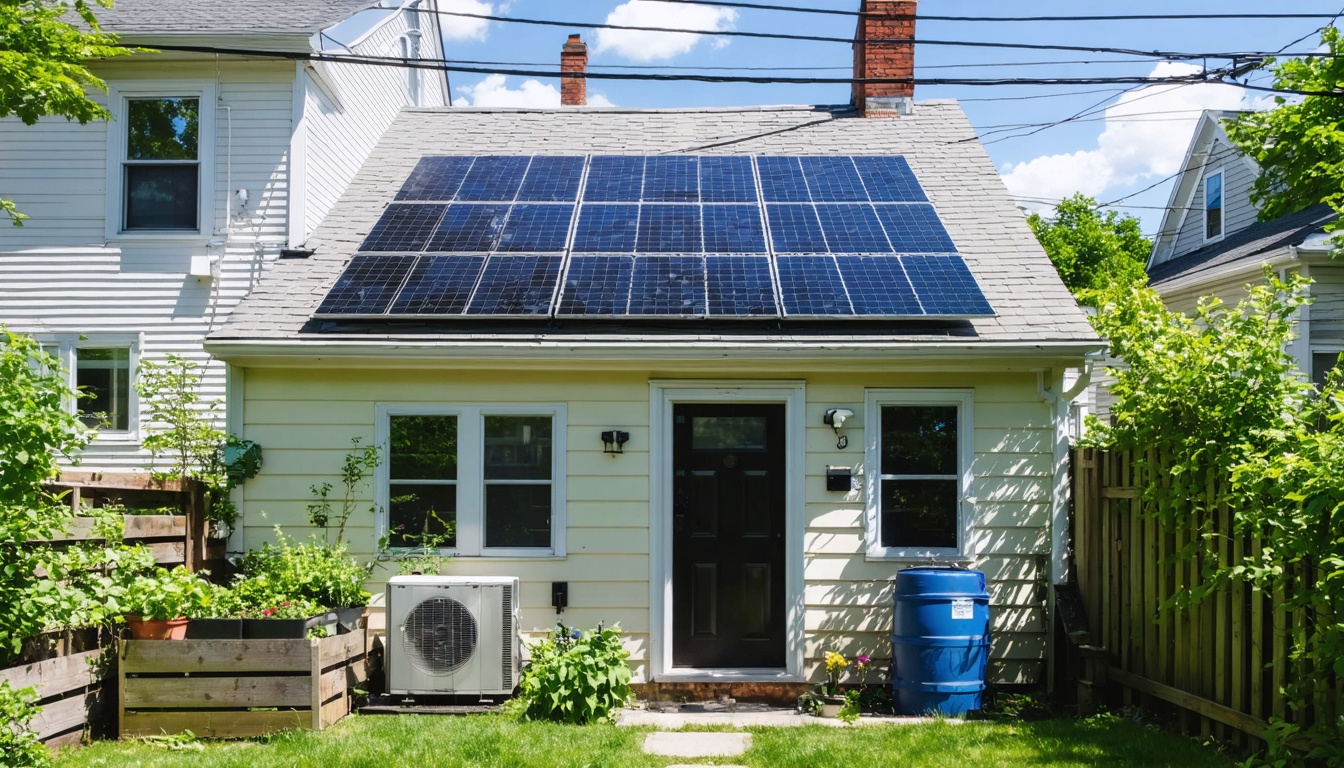
What a More Resilient Home Energy Plan Looks Like in Providence, Rhode Island
As you consider the energy future of your home in Providence, it is important to take into account several factors, including energy costs, erratic weather patterns, and the overarching impact of climate change. These factors can significantly influence your daily life, necessitating a comprehensive approach to home energy planning.
Key considerations include the reliability of your energy sources, the potential for integrating renewable energy upgrades, and the availability of local incentives designed to ease financial burdens associated with energy improvements.
Ensuring resilience in your home energy plan requires a thorough assessment of your current energy usage and the potential risks posed by climate variability. Exploring options such as energy-efficient appliances, solar panel installations, and insulation improvements can provide long-term benefits not only in terms of cost savings but also in enhancing your home’s resilience against future energy challenges.
To effectively navigate these options, it is important to research local programs and incentives that may assist in financing these upgrades, as they can significantly offset upfront costs. By taking a structured and informed approach, homeowners in Providence can create a robust energy plan that is prepared for both current and future challenges.
Housing Access and Equity in Energy Planning
Providence's approach to housing access and equity in energy planning seeks to mitigate displacement concerns affecting communities of color while ensuring affordable housing is accessible to all residents. The local government has implemented policies to prioritize affordable housing options for low-income households and has established mandatory energy-efficient standards for new construction of large buildings.
Residents can utilize a variety of assistance programs through PVD HALL and affiliated local agencies. These programs provide resources aimed at achieving financial savings, improving residential heating systems, and supporting small commercial properties that have transitioned from residential use.
The Mayor has also adopted Community Benefit Agreements, which are designed to protect the interests of the community. These agreements promote local job creation and support the transition of municipal buildings to more energy-efficient heating systems, such as heat pumps.
For residents seeking further assistance, multiple resources and links are available to aid in navigating these programs and initiatives. This methodical approach is intended to foster a more equitable energy planning framework that supports sustainable housing solutions while addressing the diverse needs of the community.
Energy Transition Goals and Targets
A framework of energy transition goals has been established to guide the city’s strategy aimed at enhancing resilience and sustainability. Providence is currently focused on achieving 100% renewable electricity for municipal buildings by the year 2030.
Furthermore, the city plans to transition 48% of residential heating systems and 45% of commercial heating systems to heat pumps by 2035, with additional benchmarks projected for 2050.
These objectives have several implications. They seek to reduce the energy burden on low-income households while helping to maintain housing stability.
In addition, the targets intend to generate local job opportunities and improve access to energy-efficient housing solutions. This initiative is in line with broader state commitments in Rhode Island concerning energy and sustainability, indicating a structured approach to implementing environmentally responsible practices across various levels of governance.
Energy Efficiency and Sustainability Initiatives
City leaders in Providence, Rhode Island, have recognized the need to address energy affordability and access, particularly for low-income households. Various Housing Assistance Programs have been developed to support these communities, with the goal of promoting equitable access to energy resources.
The Mayor and City Council are currently focused on implementing advanced energy code standards that facilitate the transition of municipal and large buildings to energy-efficient systems, including heat pumps.
One notable initiative is RePowerPVD, which aims to provide benefits to both local businesses and the community. This program aims to create employment opportunities while addressing the potential risks of displacement that may result from economic changes.
For residents interested in improving their energy efficiency and lowering costs, City Hall provides a variety of resources, including links to informational materials, available services, and job openings.
These initiatives are designed to improve residential heating systems and contribute to the overall resilience of the community.
Building Energy Reporting and Regulations
The Building Energy Reporting Ordinance (BERO) is a regulatory proposal aimed at increasing transparency regarding energy usage in Providence, Rhode Island. This ordinance mandates that owners and managers of large buildings disclose their energy performance metrics. The intent of this initiative is to assist households, especially those with limited financial means, in making informed housing decisions, potentially leading to cost savings and reducing the risk of displacement.
In conjunction with BERO, the City of Providence is introducing programs such as RePowerPVD, which is designed to facilitate the transition to energy-efficient systems. A key component of this program includes the conversion of residential heating systems to heat pumps, as well as upgrades to municipal buildings to demonstrate the city's commitment to energy efficiency.
Meeting the efficiency targets established by these regulations is anticipated to have multiple community benefits, such as job creation and improved access to energy resources.
Additionally, these efforts are intended to increase the resilience of Providence in addressing challenges related to energy consumption and sustainability. For more detailed information, additional resources can be found through the provided links and menu options.
The implementation of solar energy presents a viable investment option for homeowners in Providence. By adopting solar panels, homeowners can achieve reductions in their electricity expenses, and there is potential for increased property values associated with energy-efficient upgrades. For those interested in solar panel installations, consulting with local Solar Installers in Providence can provide guidance on the process and available incentives. This transition aligns with Providence's goals of attaining 100% renewable electricity by 2030 and achieving carbon neutrality by 2050.
Community initiatives, such as shared solar projects and the conversion of residential heating systems to heat pumps, play a significant role in creating local job opportunities. Additionally, these initiatives foster access to affordable energy solutions for low-income households through various assistance programs.
Residents and businesses seeking detailed information can refer to resources provided by organizations such as SustainPVD and the Rhode Island Office of Energy Resources. These organizations offer guidance to households, commercial buildings, and municipal facilities in Providence, facilitating informed decision-making regarding investments in renewable energy.
Strategies for Inclusive Implementation
To ensure equitable access to the benefits of a resilient home energy plan, it is important to implement well-considered policies and engage in targeted outreach. In Providence, the city is addressing income and housing disparities through Community Benefit Agreements and by expanding low-income energy assistance programs.
The initiative to convert large buildings, including municipal properties, to heat pump systems aims to reduce displacement and lower energy costs for vulnerable households.
The Building Energy Reporting Ordinance plays a significant role in promoting access and transparency by requiring the reporting of energy performance in buildings. This initiative fosters accountability among building owners and managers.
For residents seeking assistance or information on relevant programs, the PVD HALL and the City’s website offer accessible resources that facilitate navigation. These strategies are designed to enhance inclusivity in energy management and sustainability efforts within the community.
Resources and Partnerships for Home Energy Resilience
In Providence, a coordinated effort is underway involving various local programs and strategic partnerships to enhance energy resilience for households.
The City offers No Cost Home Energy Assessments, which help residents identify ways to improve energy efficiency within their homes. Access to air source heat pumps is also available, which can potentially lead to reduced energy expenses.
For low-income households, there are Assistance Programs that include weatherization services aimed at decreasing energy consumption. These programs are structured to lower energy costs and address the threat of displacement caused by high energy expenses.
The RePowerPVD initiative is directed at large commercial and municipal buildings, assisting them in setting conservation targets as part of a broader strategy to boost energy efficiency across multiple sectors.
Additionally, the Community Solar program allows residents to explore clean energy options, contributing to the objective of increasing renewable energy usage in the area.
This initiative is supported by local leadership, including the Mayor, and works in collaboration with organizations such as SustainPVD and the Rhode Island Office of Energy Resources.
Collectively, these efforts aim to enhance job opportunities while promoting energy resilience in the community.
Conclusion
Adopting renewable energy sources, investing in energy efficiency measures, and participating in community initiatives can enhance the energy resilience of homes in Providence, Rhode Island. These actions can contribute to reducing energy costs and fortifying homes against extreme weather events, which have become increasingly common due to climate change.
Moreover, a transition towards more sustainable energy practices aligns with broader community goals of equity and accessibility in energy resources. Technological advancements in renewable energy systems and energy efficiency technologies are becoming more accessible, making this a practical time for homeowners to consider such investments.
Collaborative efforts, whether through neighborhood programs or local government initiatives, can further strengthen community resilience. These collective actions can help ensure a steady and sustainable energy future for residents while addressing potential vulnerabilities related to energy supply and climate impacts. |